Report on Impact
A year helping nature heal: what we did, with whom, where, and what changed in each space.
More results from the first year
Every figure comes from the Regenerative Inquiry platform, where we record each project, workshop and advance.
“People impacted” counts the people who live in each space: at the diagnosis and design level, all the spaces we accompanied; at the implementation level, only the spaces where something has already been built or installed. Free online advisory sessions and workshops are counted separately, and the same person can take part in more than one activity.
Agroecological growing, compost, water and trees
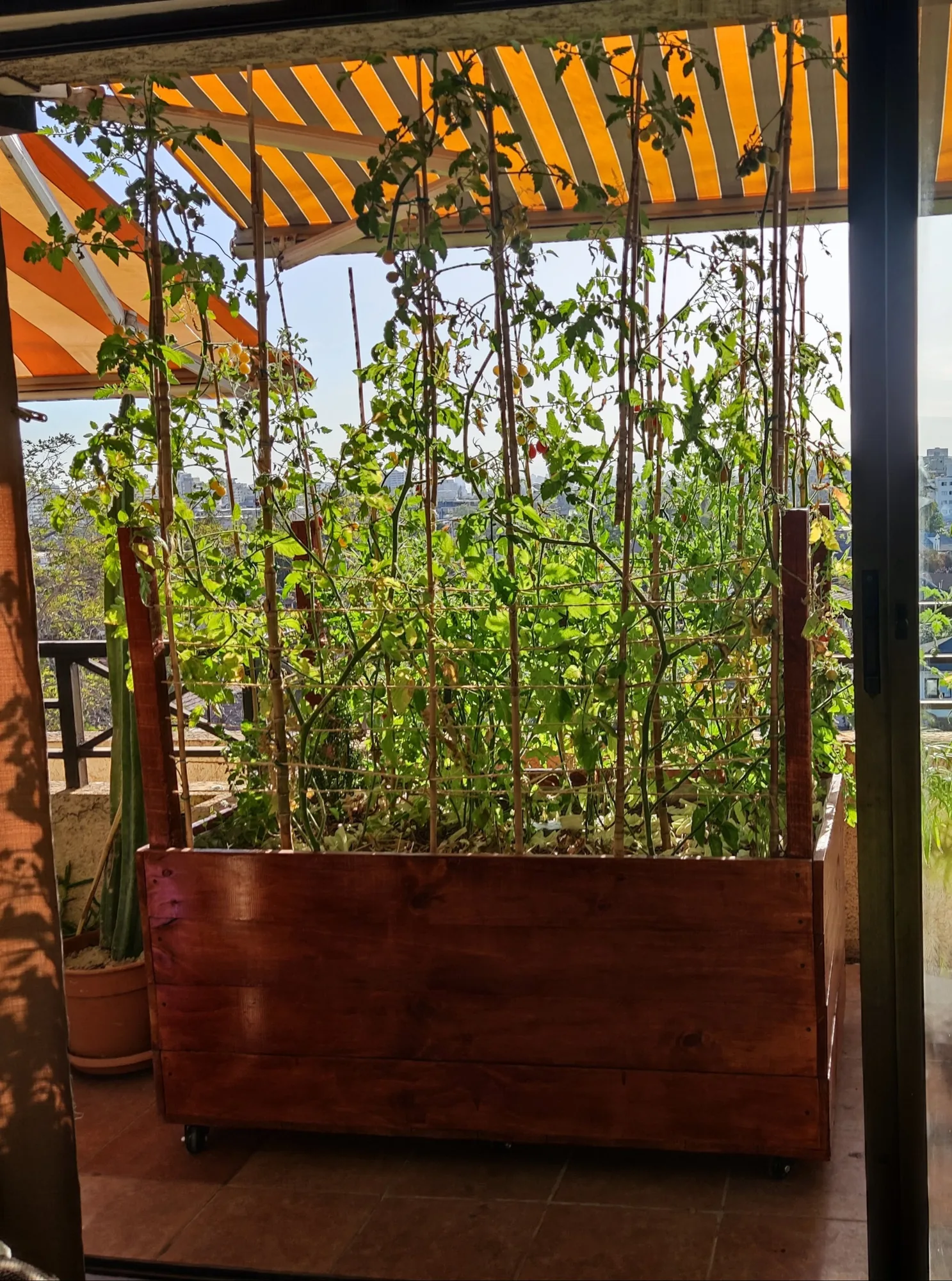
Urban agroecological growing in practice: agroecological gardens and food, without synthetic inputs, closing cycles through composting and water care in the spaces we accompany.
We start with a question
How can we help advance solutions to the climate crisis?
Mainly nature-based solutions. And from there, designing a structure that helps move toward the vision of a sustainable and regenerative present. The same goes for the future.
LivLin was born with the intention of connecting the people who are trying to do this in different territories around the world, starting from local solutions to global challenges.
Global challenges we face
How do our actions affect us, the community and the planet?
During this year, every project helped strengthen LivLin's working tools: creating them for each situation, testing them and improving them. The process became smoother, faster and more ambitious each time, open to more possibilities.
Actions were carried out across all of LivLin's work areas. And that is worth celebrating.
The vision is becoming reality. There is impact, there is evidence of impact, evidence that the dream is moving forward. At the same time, new opportunities are opening up to keep improving and increase the impact even more.
(Francis, Nov 2026)
How we read this impact: from sustaining to regenerating
To read these results we use the approach of the publication Introduction to the regeneration approach (Mason Bustos, 2025, LivLin), which builds on regenerative design (Mang & Reed, 2012), permaculture (Holmgren, 2020) and Wahl's perspective (2020). Read the publication →
Its central idea is simple: not all actions transform a place in the same way. Some only allow everything to keep working as usual; others prevent it from getting worse; others open up new possibilities. According to the publication, there are four levels of action:
To regenerate is to move from “making something work” to cultivating its potential: not just keeping a garden going, but turning it into a place of learning, biodiversity and mutual care; not just managing waste, but turning it into fertiliser and an opportunity to learn. That is why in this report we look at what level each space reached and how much of its potential has already begun to flourish.
Four premises, and what we saw in the first year
Seven petals: what was found, what was planned and what was implemented
David Holmgren's Permaculture Flower is a map of everyday life organised into seven fields, or petals. At the centre are ethics and design principles; from there the path advances in a spiral: it starts from the personal and local, and opens out toward the collective and global.
At LivLin we read each space petal by petal. First we diagnose what already exists, then we design what could flourish, and finally we accompany what gets implemented. What is planned is a map of possibilities; what is implemented is the proof that it flourishes.
Want to know more? See the Permaculture Flower poster in Spanish →
Poster adapted from David Holmgren's book, Permaculture: Principles & Pathways Beyond Sustainability.
Tap a petal to see its actions, one by one.
The farther from the centre, the more advanced the petal is (from 0 to 10):
Initial state what the place already had Current state what has been achieved Future potential what it can becomeSee the score details
Eight ways to accompany a space
Every line of work at LivLin had results in its first year.
Where it happens: territory and basins
A basin is the territory where rainwater drains toward the same river. Looking at the work by basin shows how each space connects with the water and soil around it.
Homes are shown with an approximate location and without a name, to protect families' privacy. Organisations appear by name.
Spaces by commune
By type of space
By region
Basin → sub-basin → spaces
Before and after, on the land
Numbers have faces. These are some of the spaces that changed during the year.
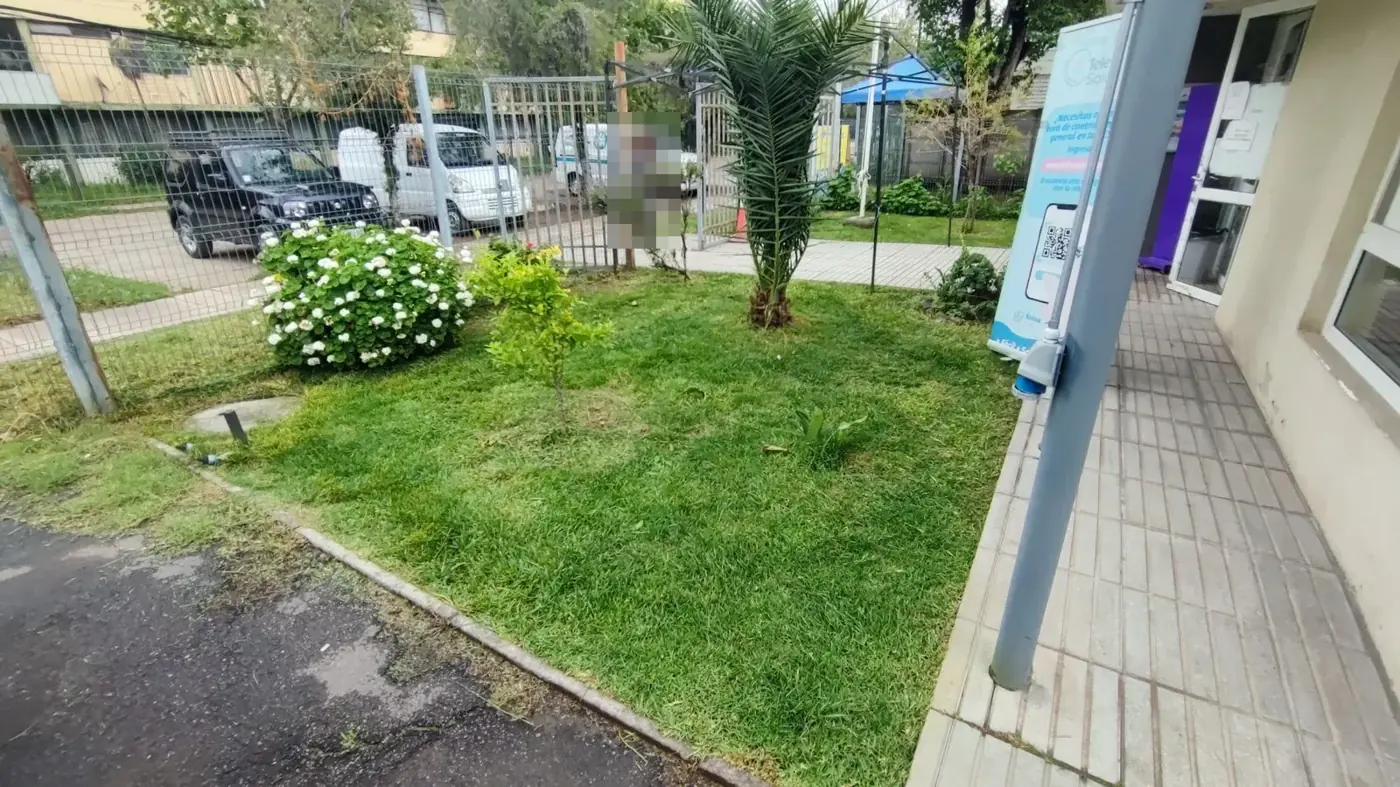
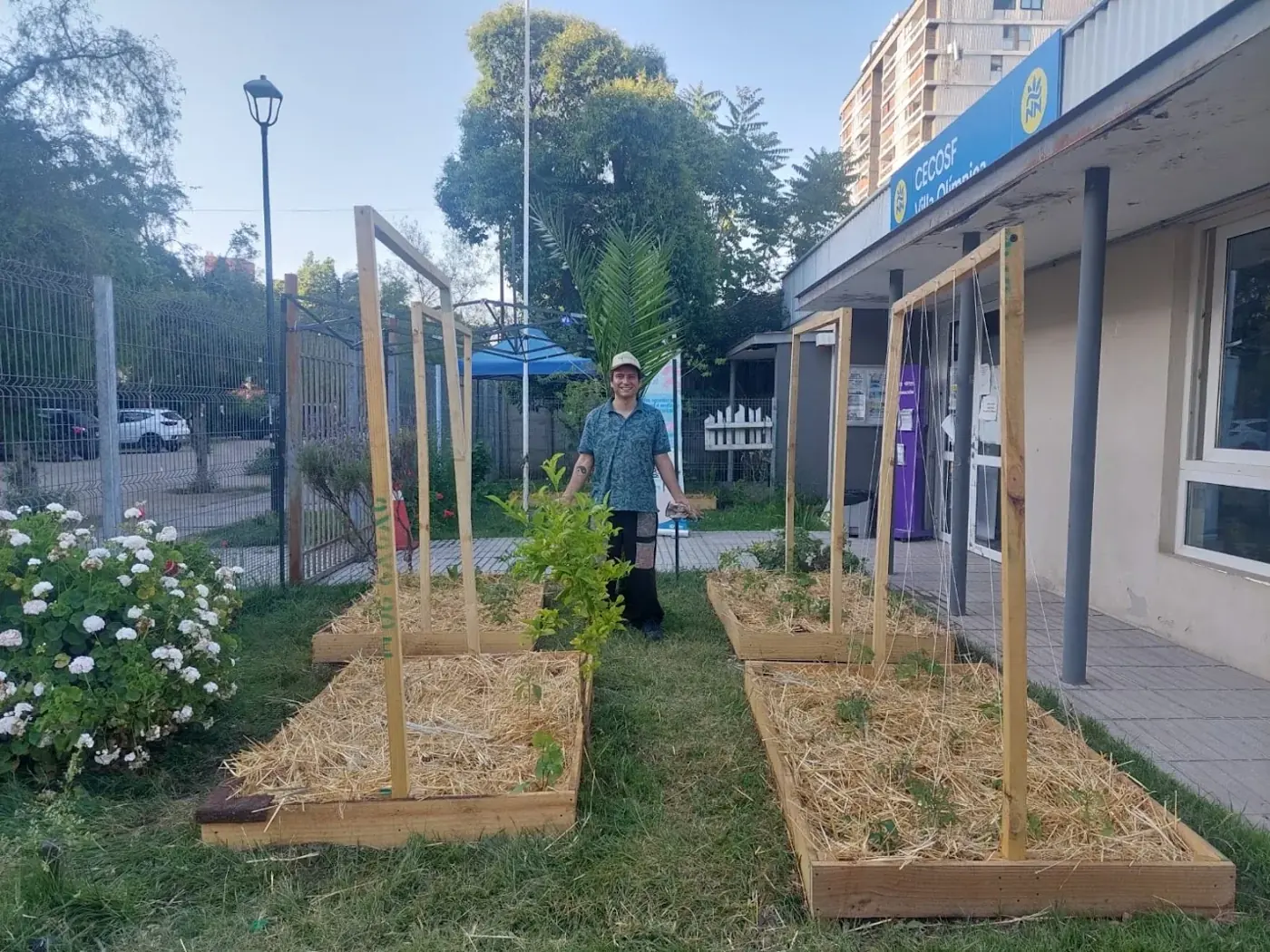
CECOSF Villa Olímpica · Ñuñoa
A community health centre that now has a garden, a compost bin and a yard.
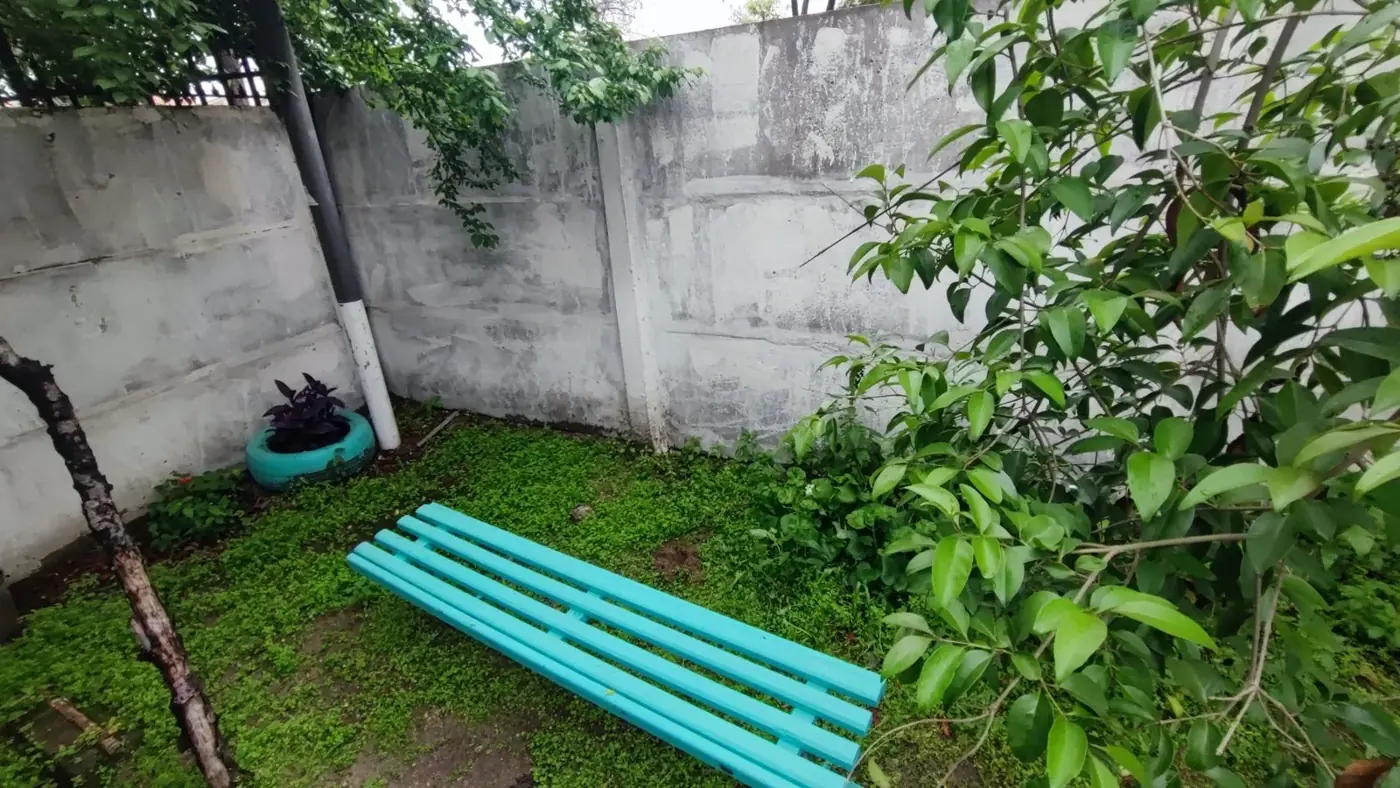
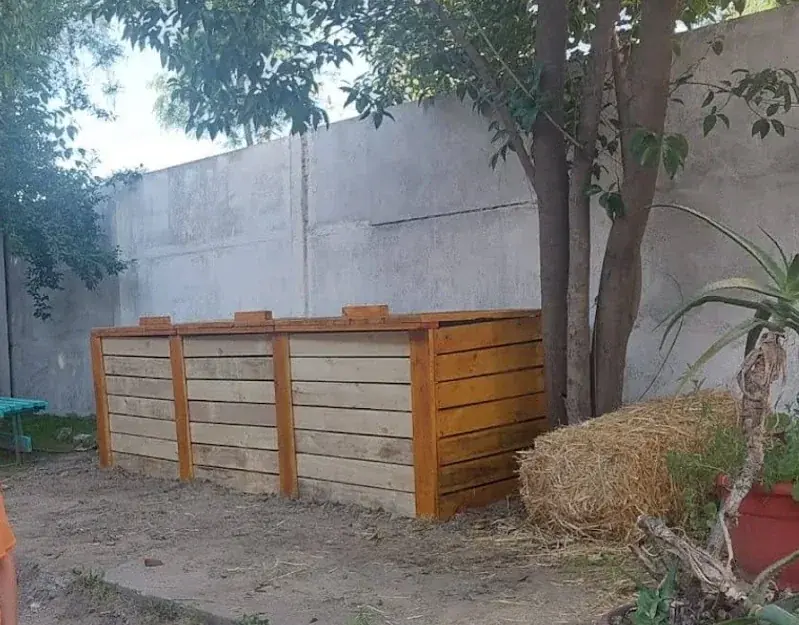
m² of growing area implemented and regenerative actions. workshops with attendees.
Four spaces, four transformations
Each image is shown in full and in its original proportions: the before and after of each place.
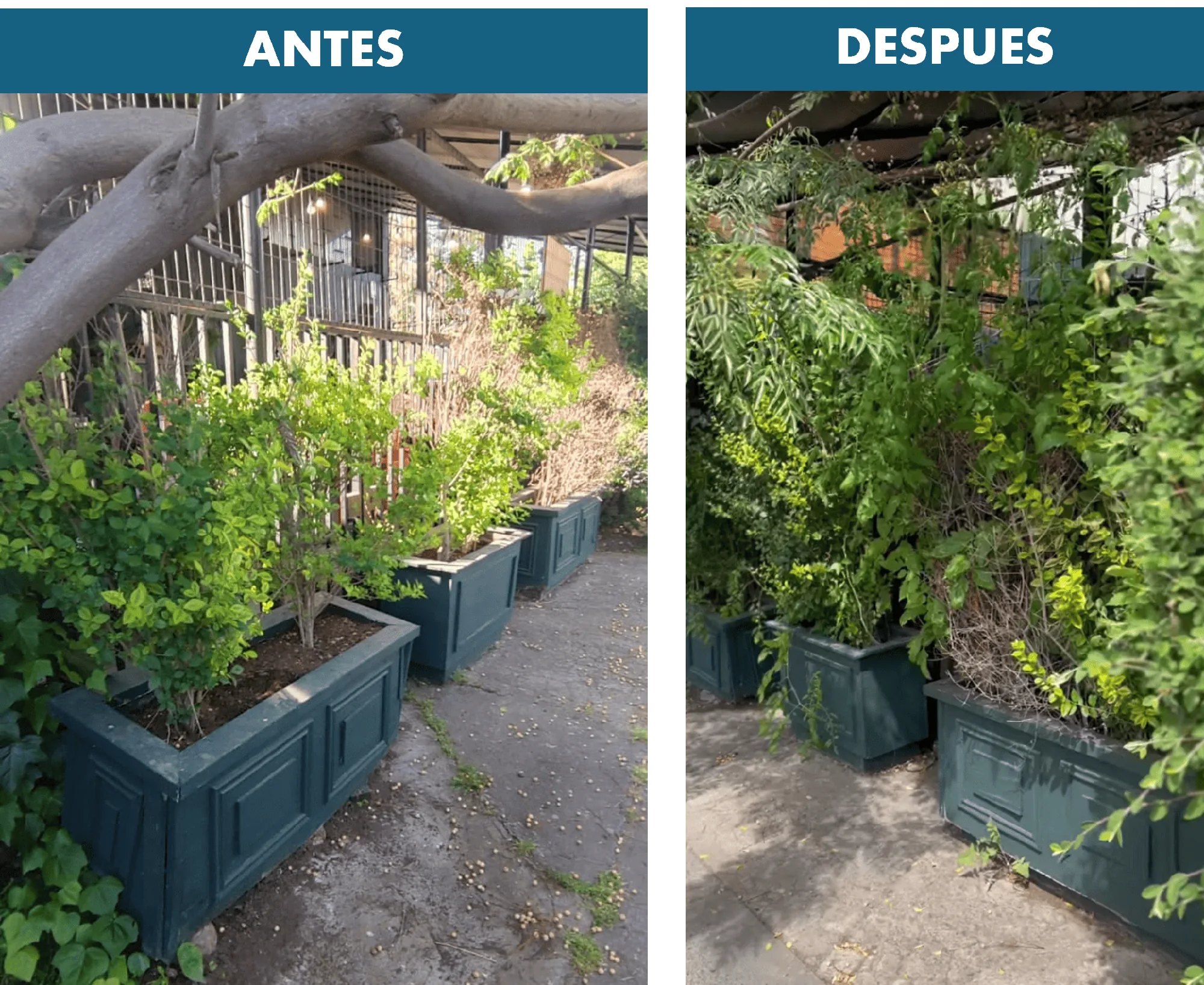
A green wall and a productive terrace that customers see every day.
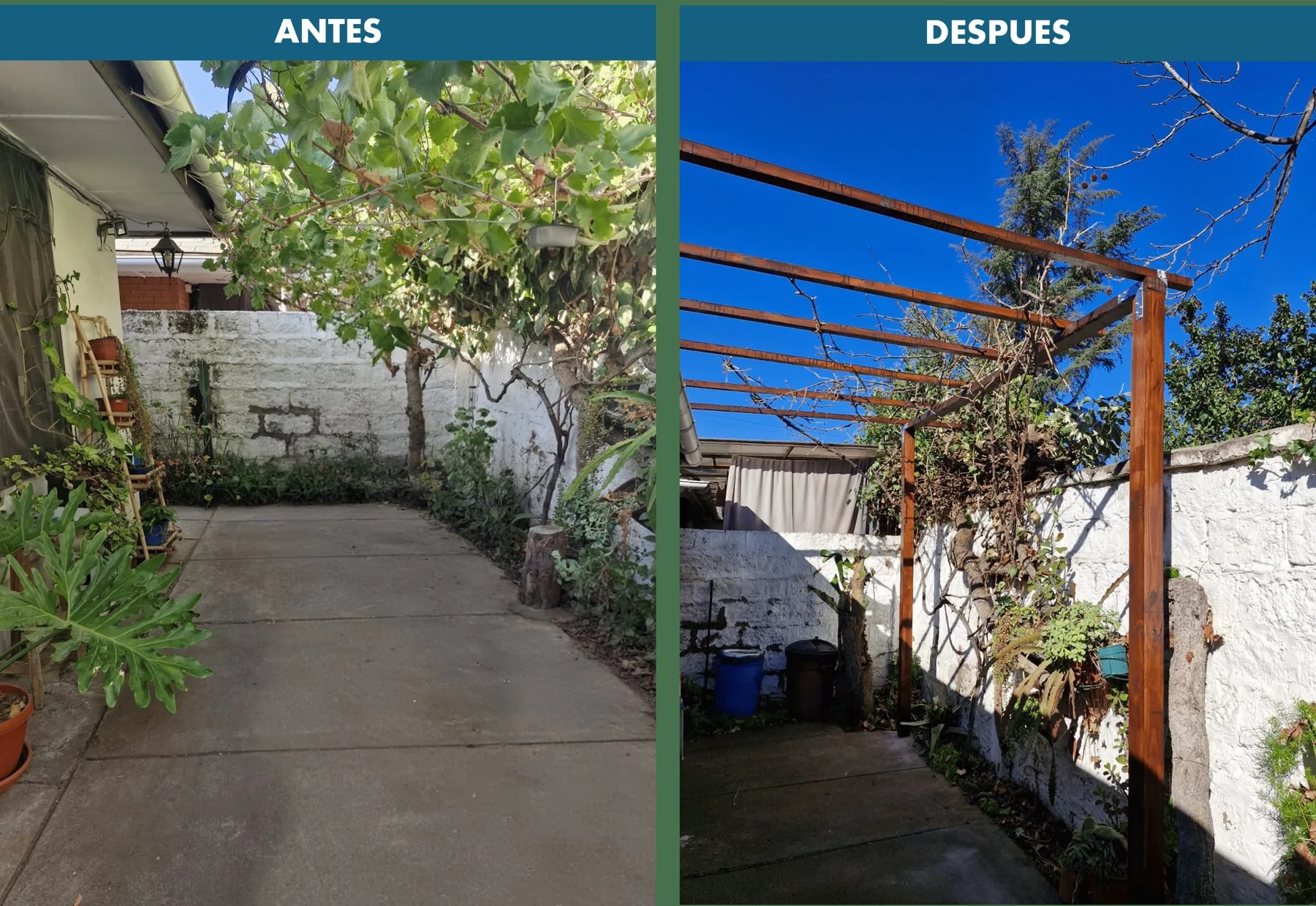
A bioclimatic pergola and self-watering growing systems in a home's yard.
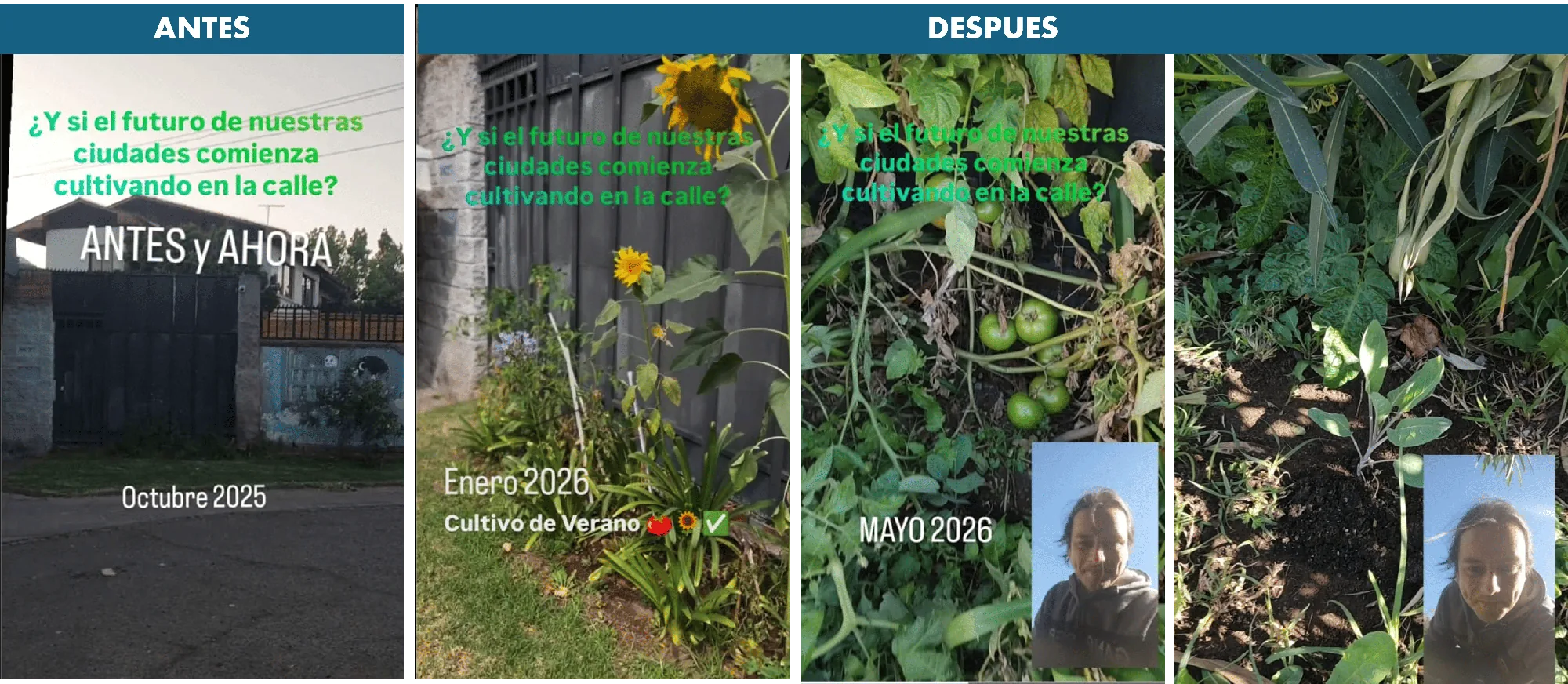
An agroecological garden visible from the street, which sparks the curiosity of neighbours and customers.
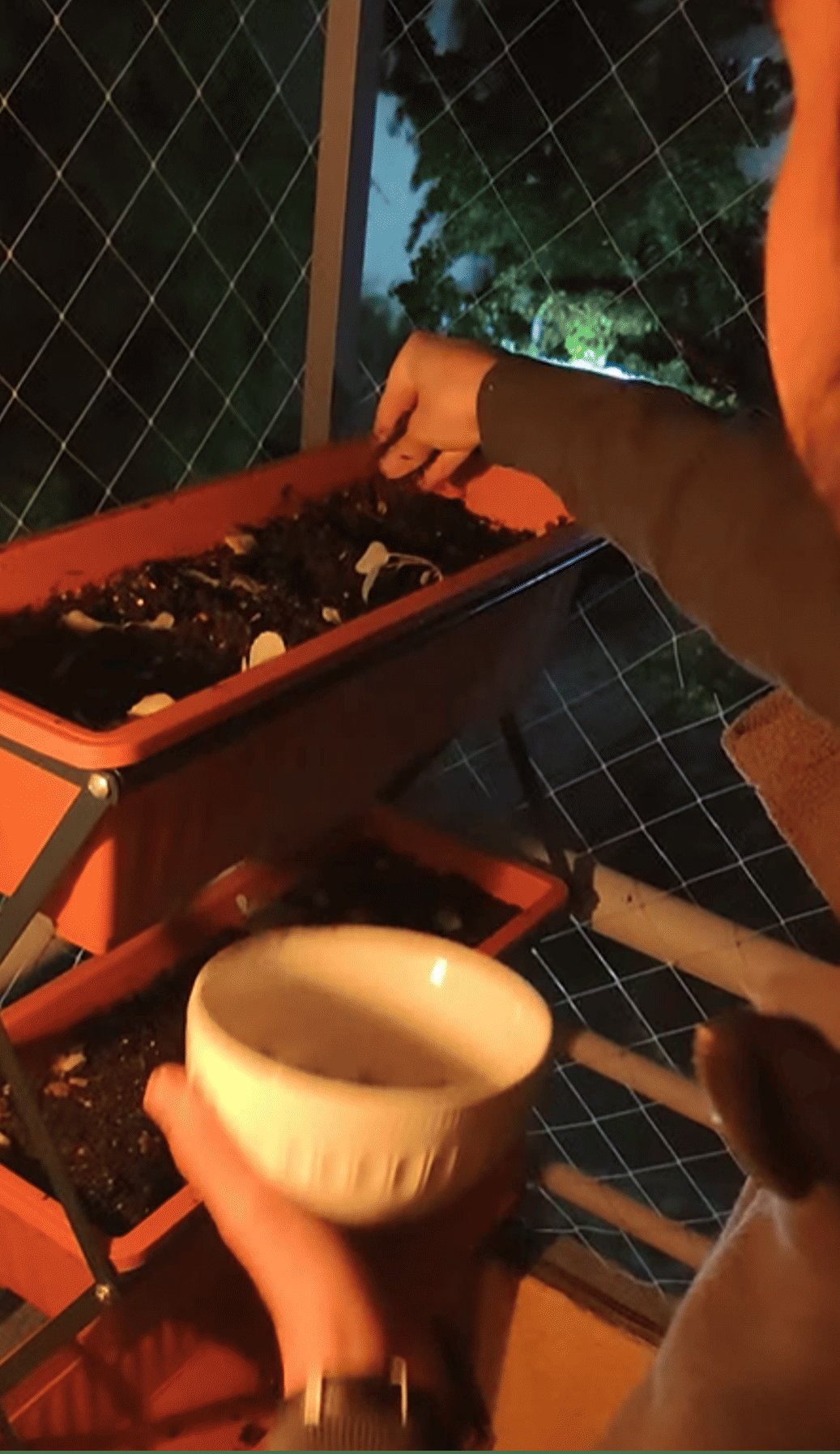
Vermicomposting and growing in a small space: organic waste becomes fertiliser inside the apartment itself.
Learning together
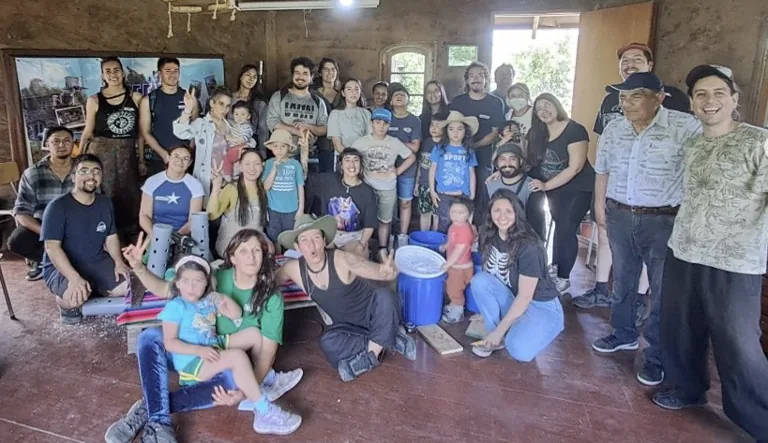
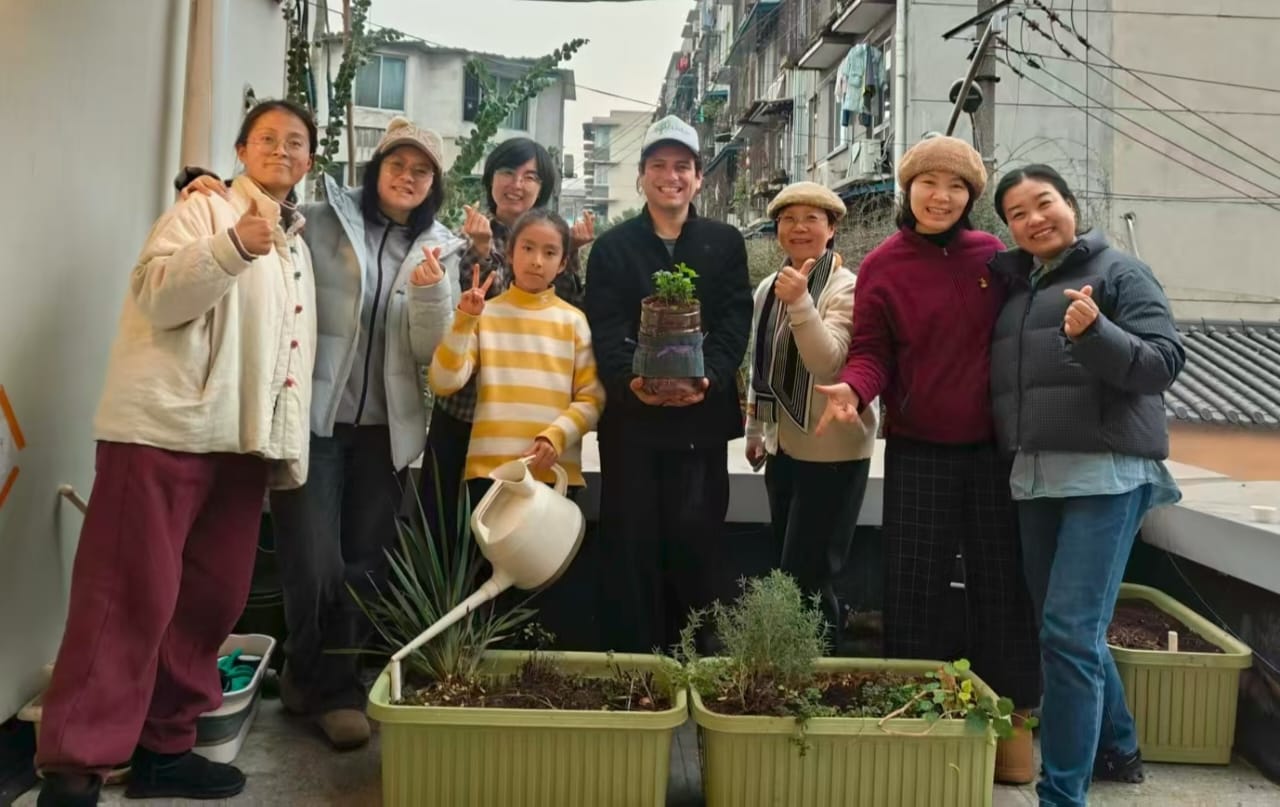
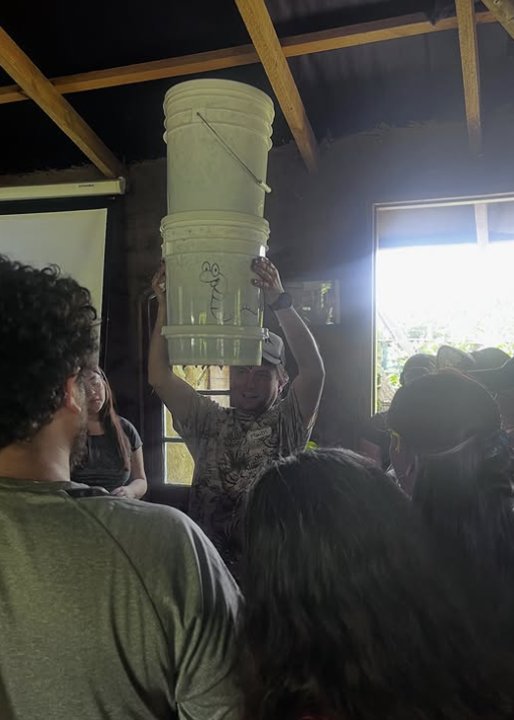
workshops, people. From the Aucca Centre in Talagante to a table in Chengdu.
Design before planting
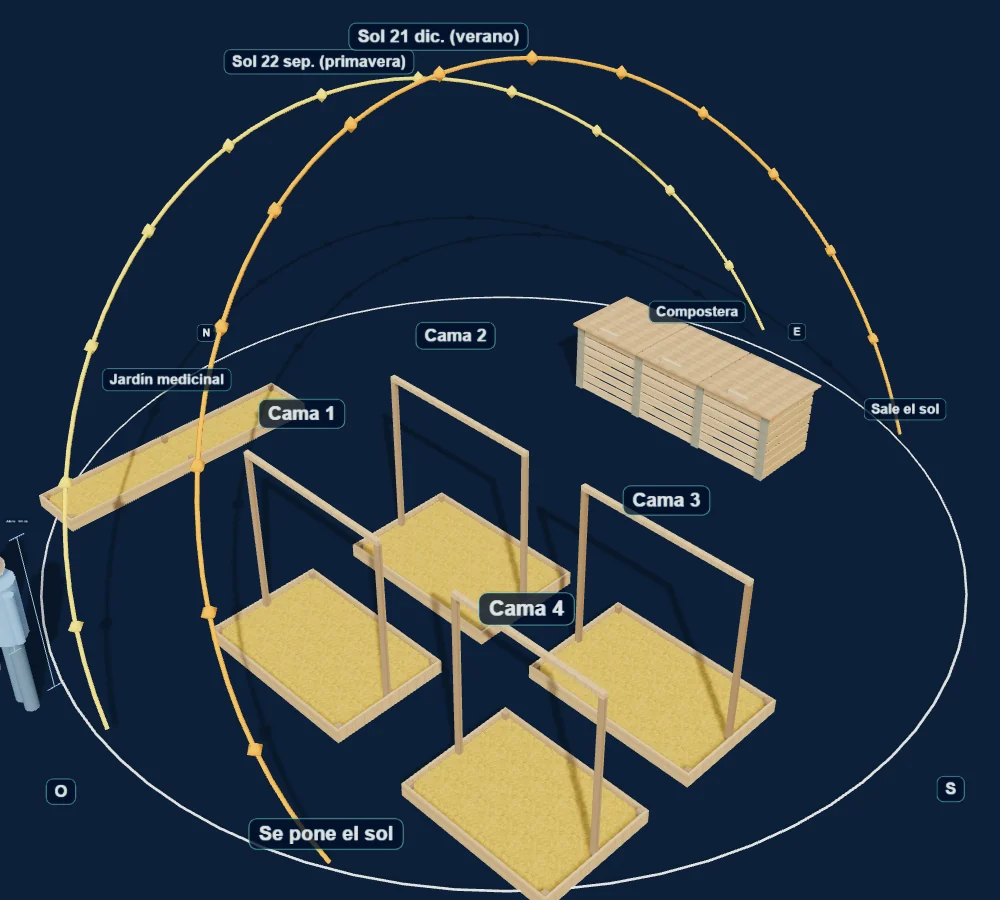
master plans. This is the CECOSF one, in 3D.
Learning from what we do
At Aucca we built a tailor-made monitoring and learning system.